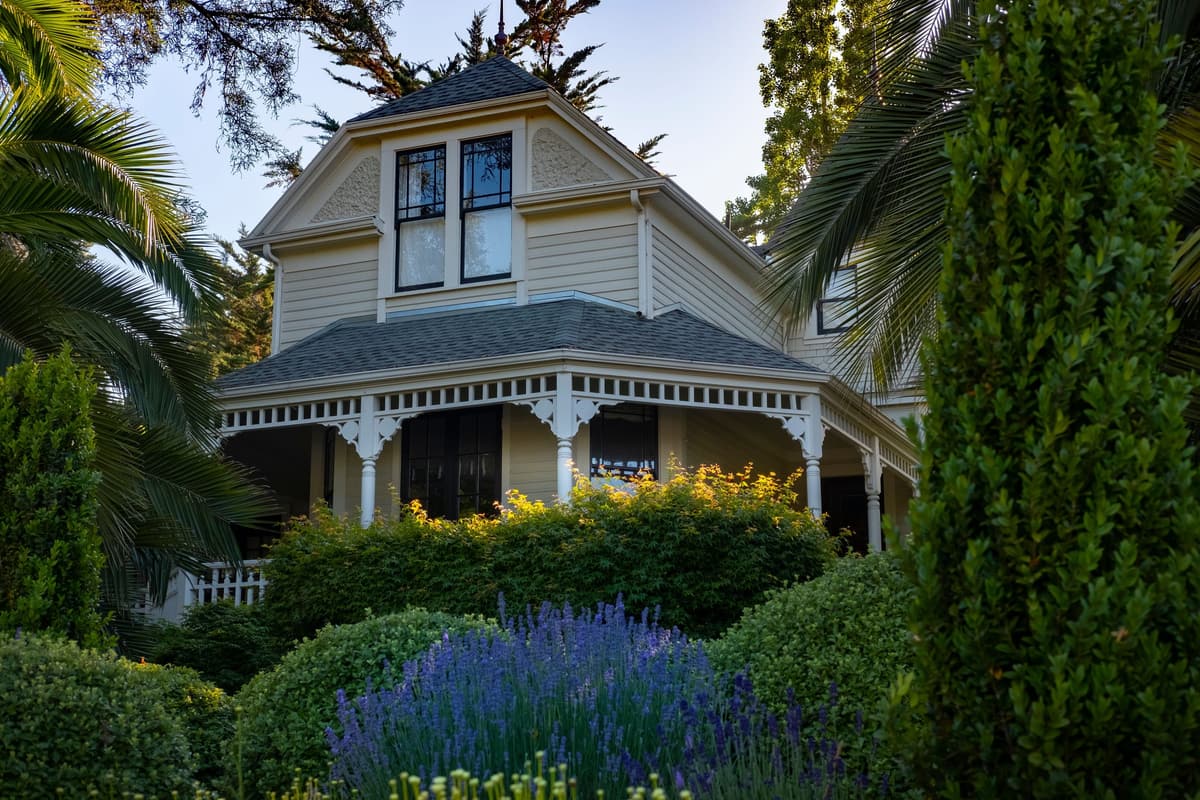
Garden design
We measure the site, talk through how you use it and draw a scaled plan with a plant list. You can install it yourself or have us do it.
We design native, water-wise gardens and the patios and paths that go with them. Some clients take the plan and plant it themselves. Others have us install it.
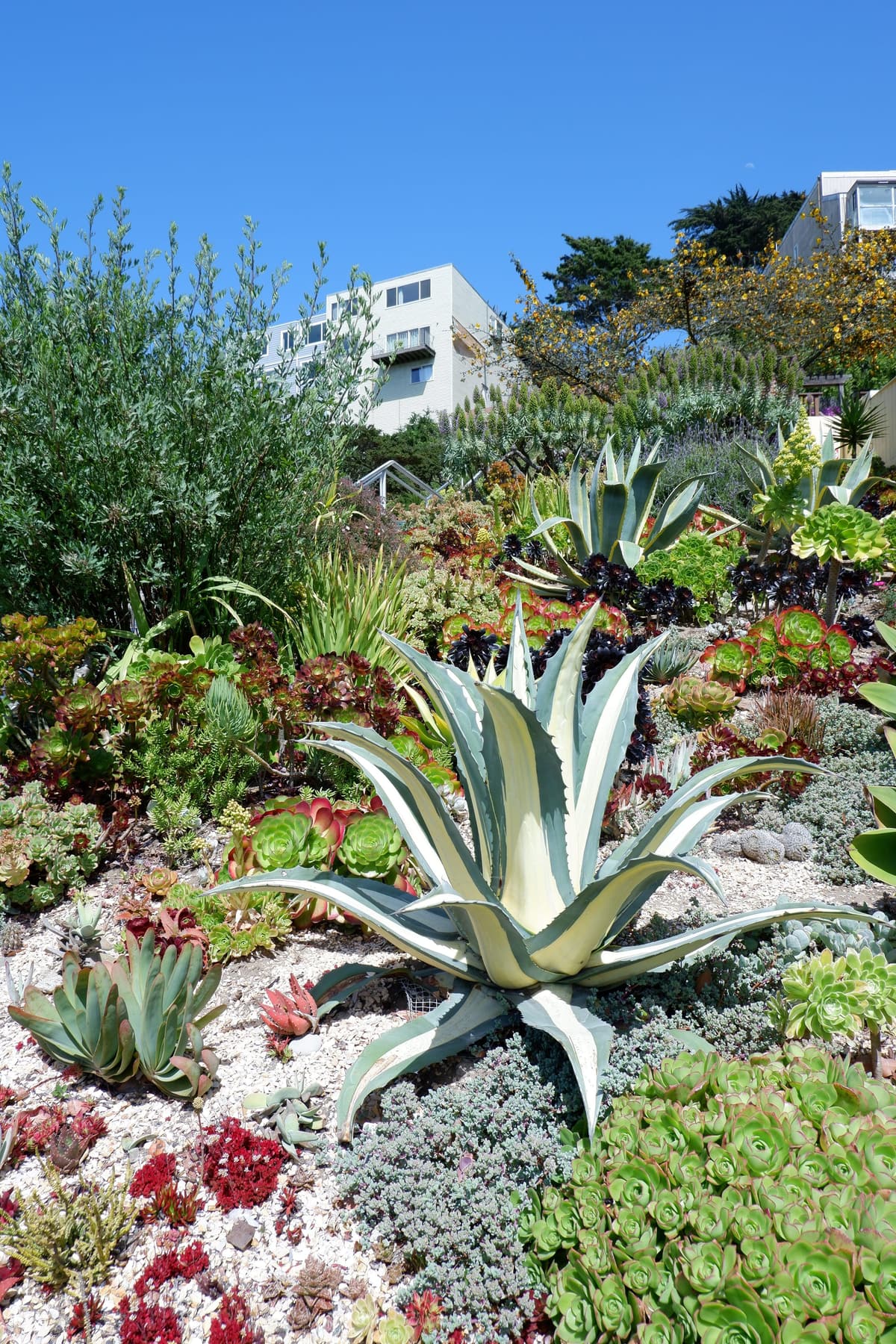
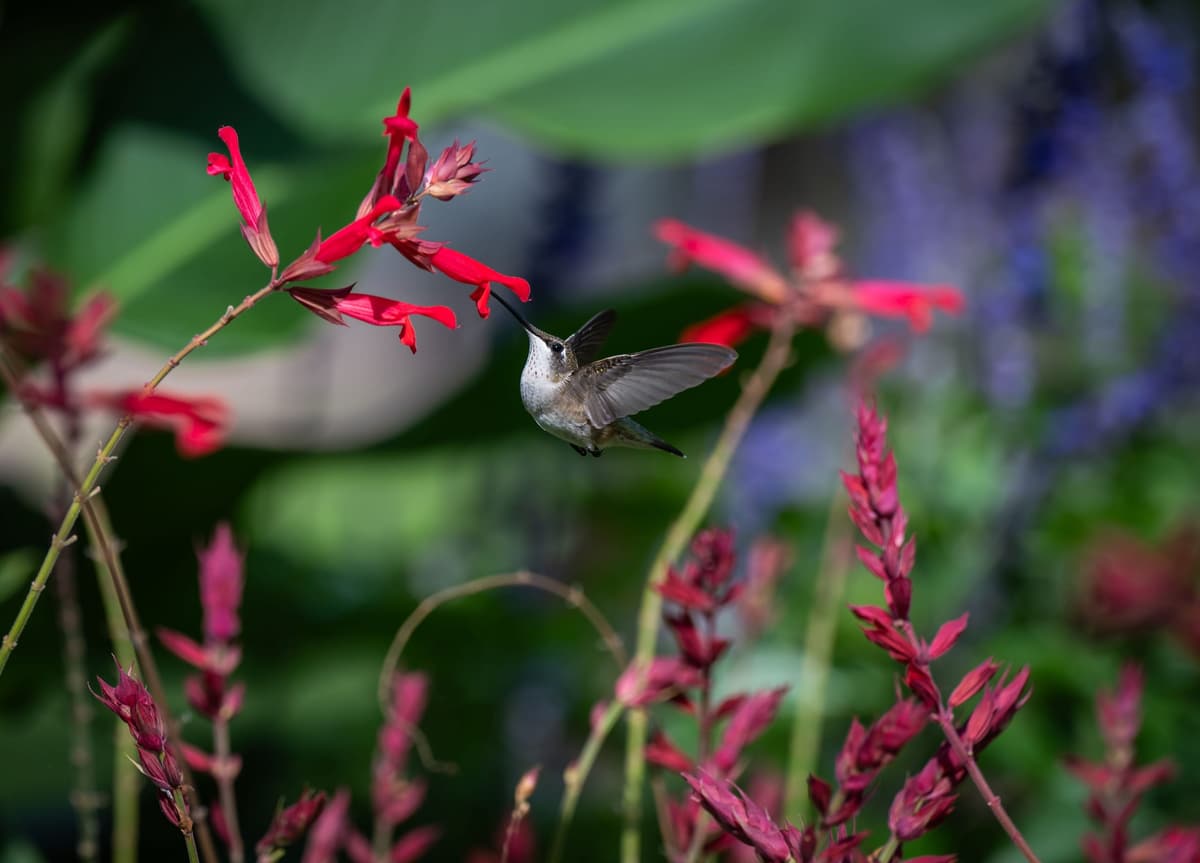
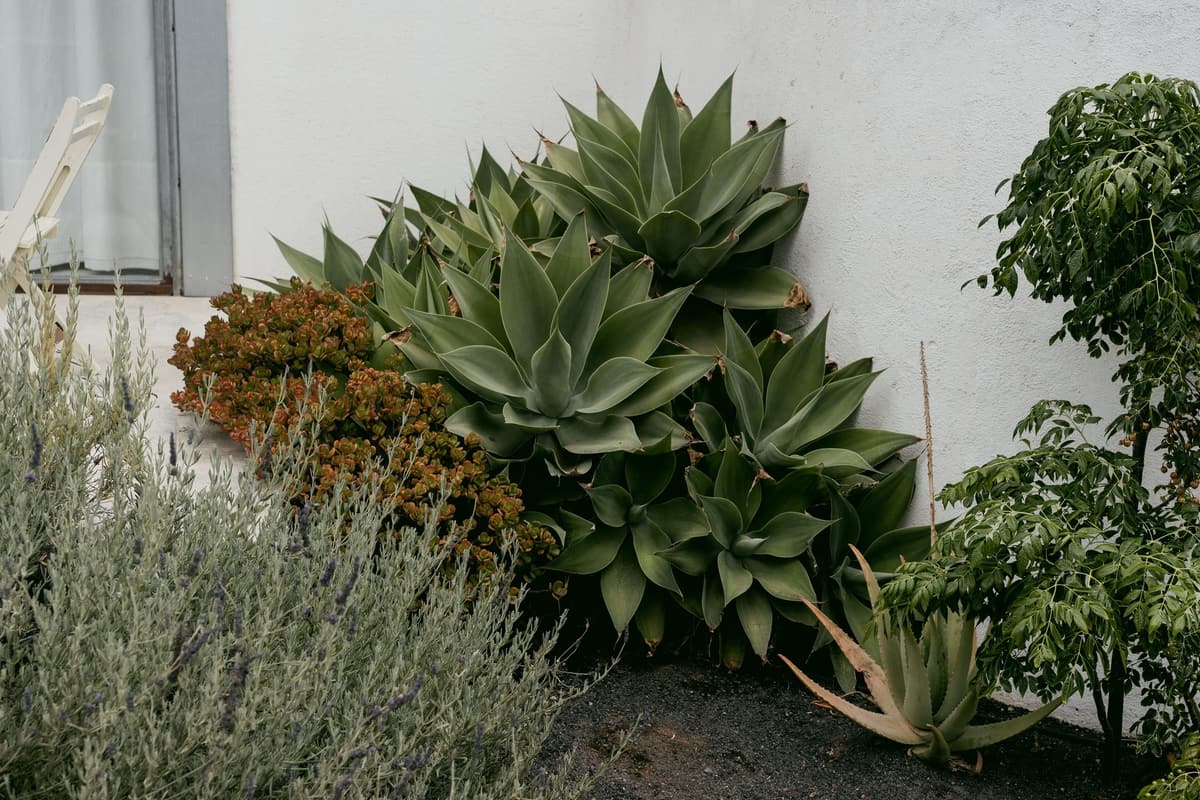
We start with the site and the plants, then lay out the paths and places to sit around them.
We look at sun, slope, soil and drainage before we choose a single plant, so what goes in the ground can grow well without extra water or fuss.
Our plant lists lean on natives and climate-adapted plants that feed bees, butterflies and birds and suit the local weather.
Where it fits, we shape beds and paths to slow rainwater and let it soak in. Irrigation is drip, zoned by what each group of plants needs.
A garden gets used when there is somewhere to sit. We plan patios, paths and seating together with the planting, so the yard works as one place.
Design on its own, or design through installation and care. Most projects are front yards, back gardens or both.
We measure the site, talk through how you use it and draw a scaled plan with a plant list. You can install it yourself or have us do it.
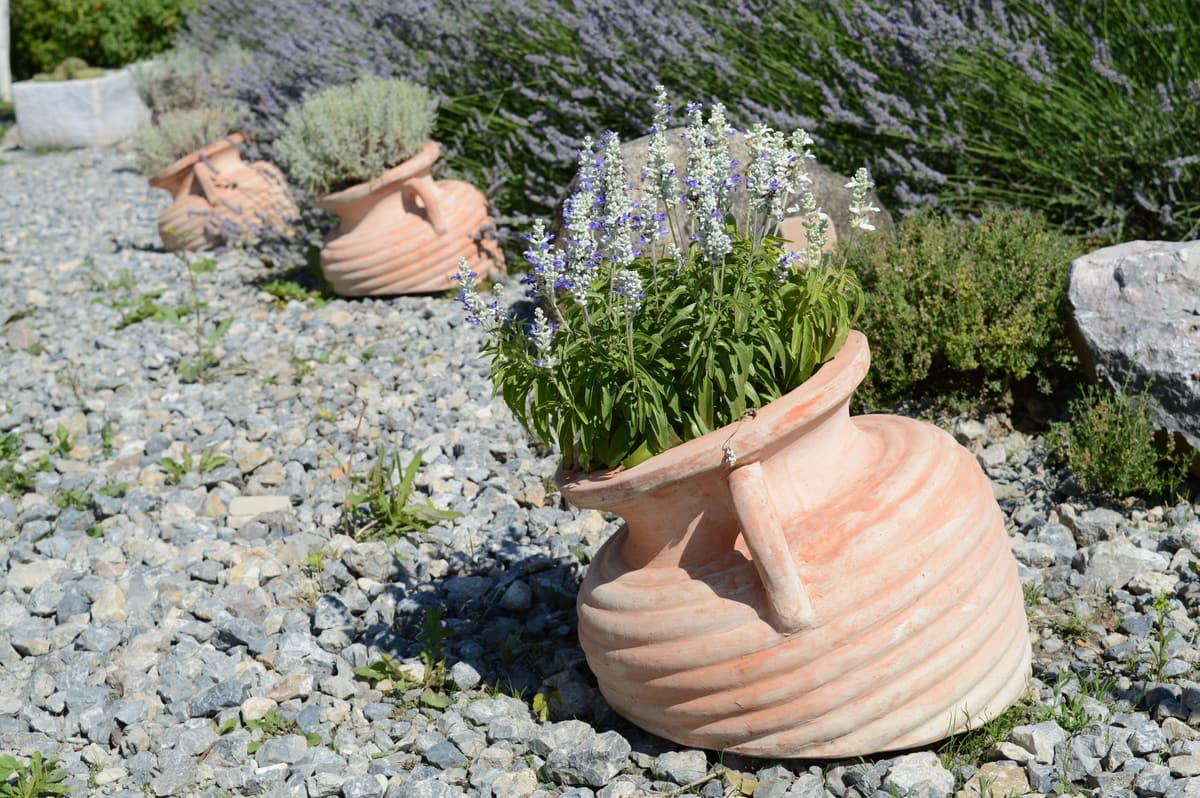
We take out turf and replace it with gravel paths, mulch and low-water planting. If your water district offers a turf rebate, we can help you with the paperwork.
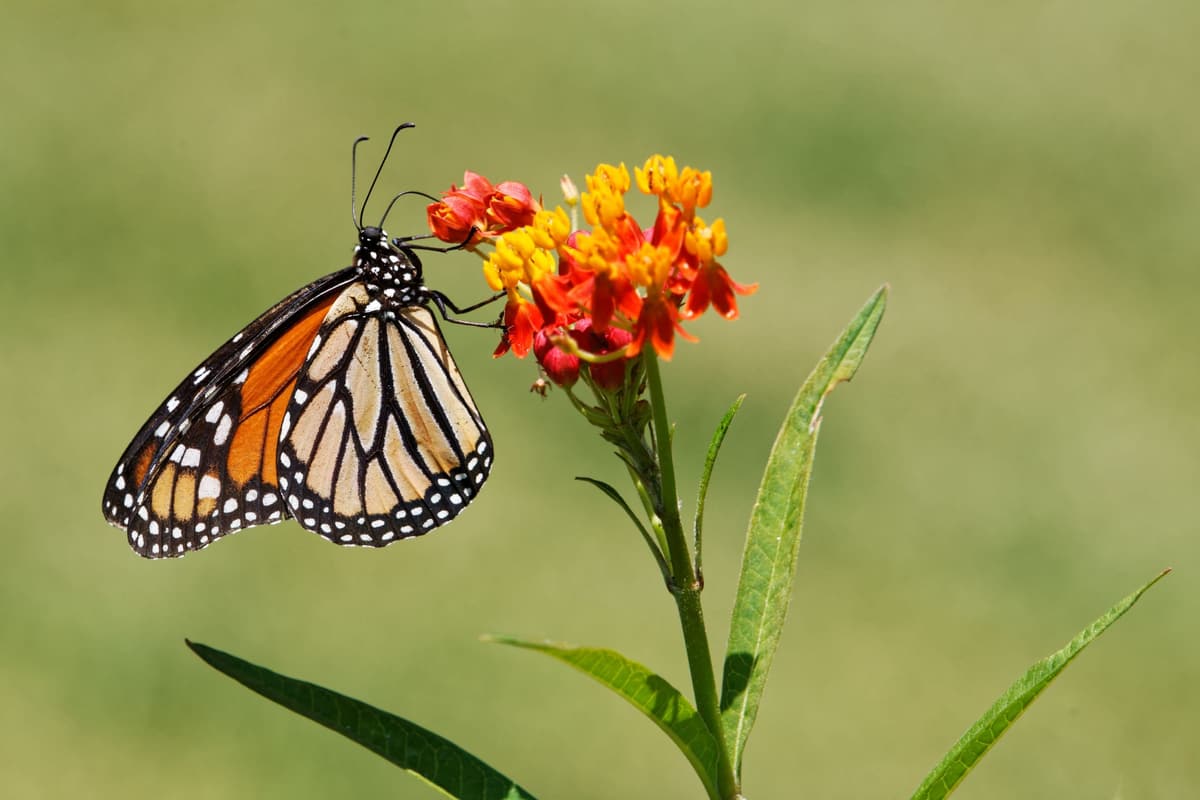
Milkweed for monarchs, sages for hummingbirds, flowers for bees, arranged so the garden still looks tidy and planned.
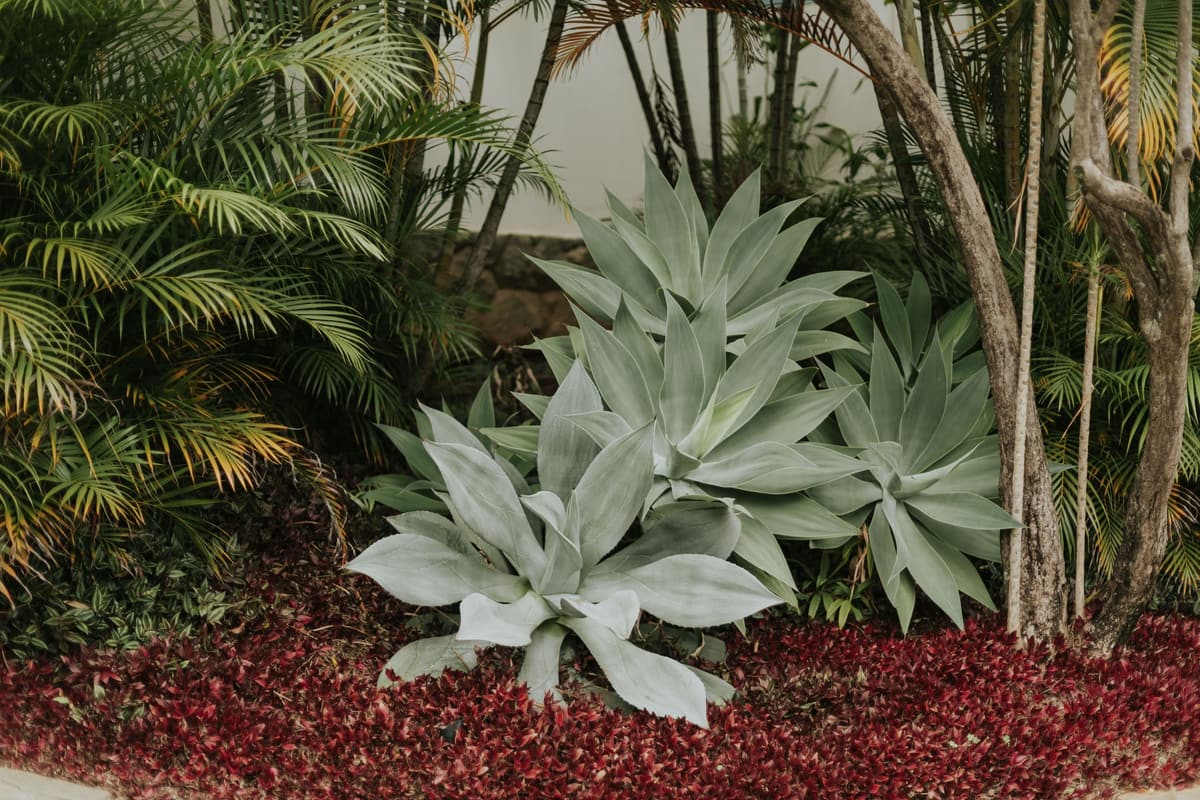
Yuccas, agaves, grasses and succulents, planted in drifts that look good all year and need little water once they are established.
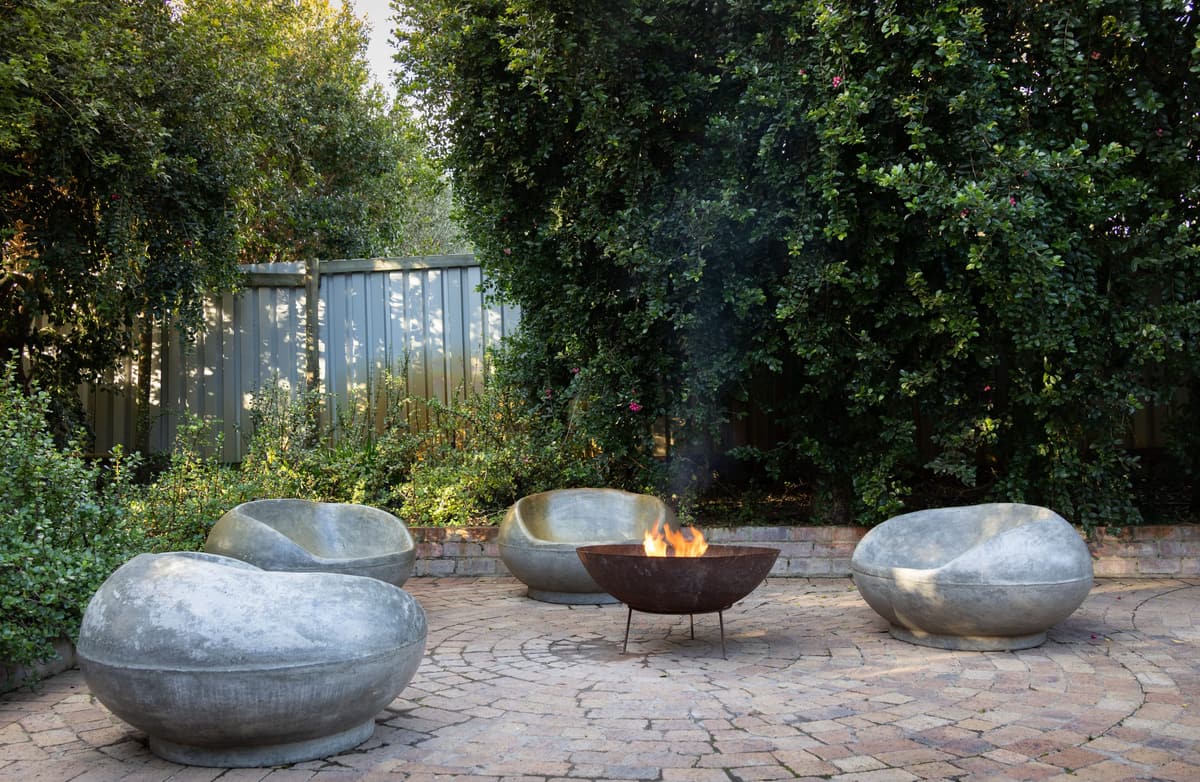
Gravel and flagstone patios, fire areas and seating spaces, placed where the shade and the view are best.
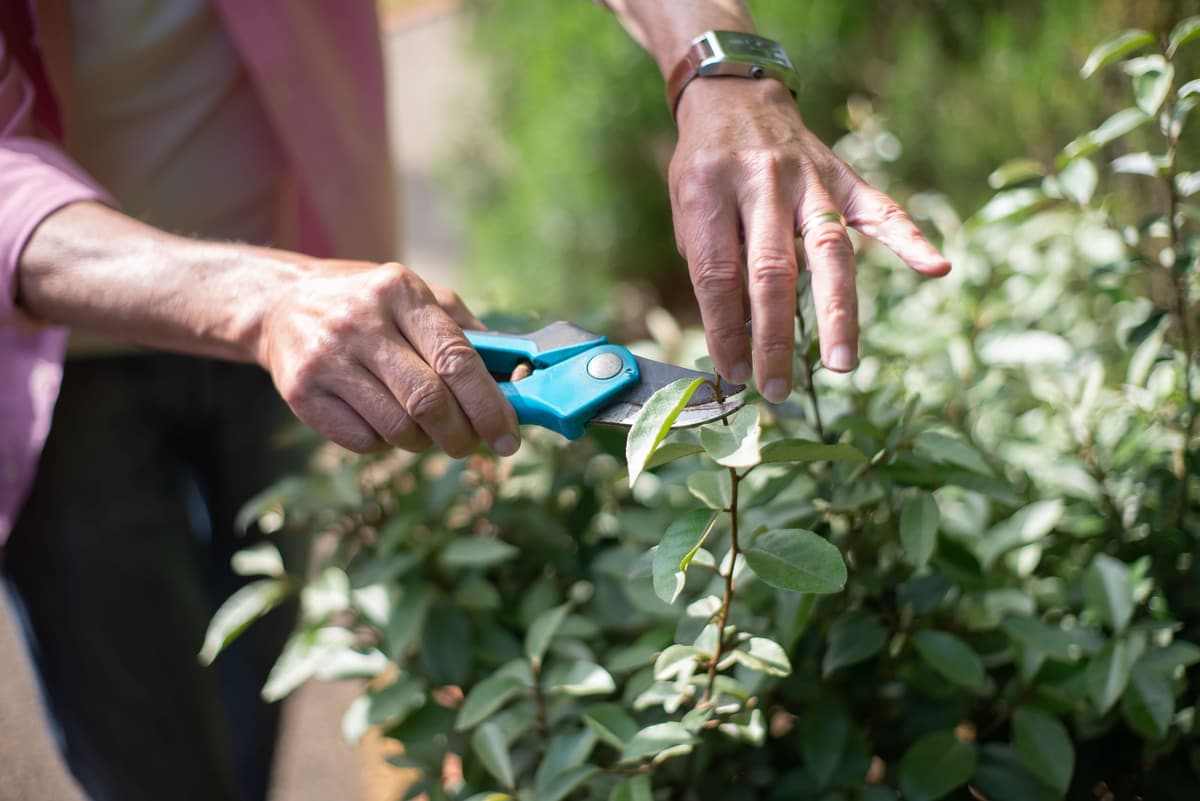
Seasonal visits to prune, check the drip lines, top up mulch and keep a new garden on track while it fills in.
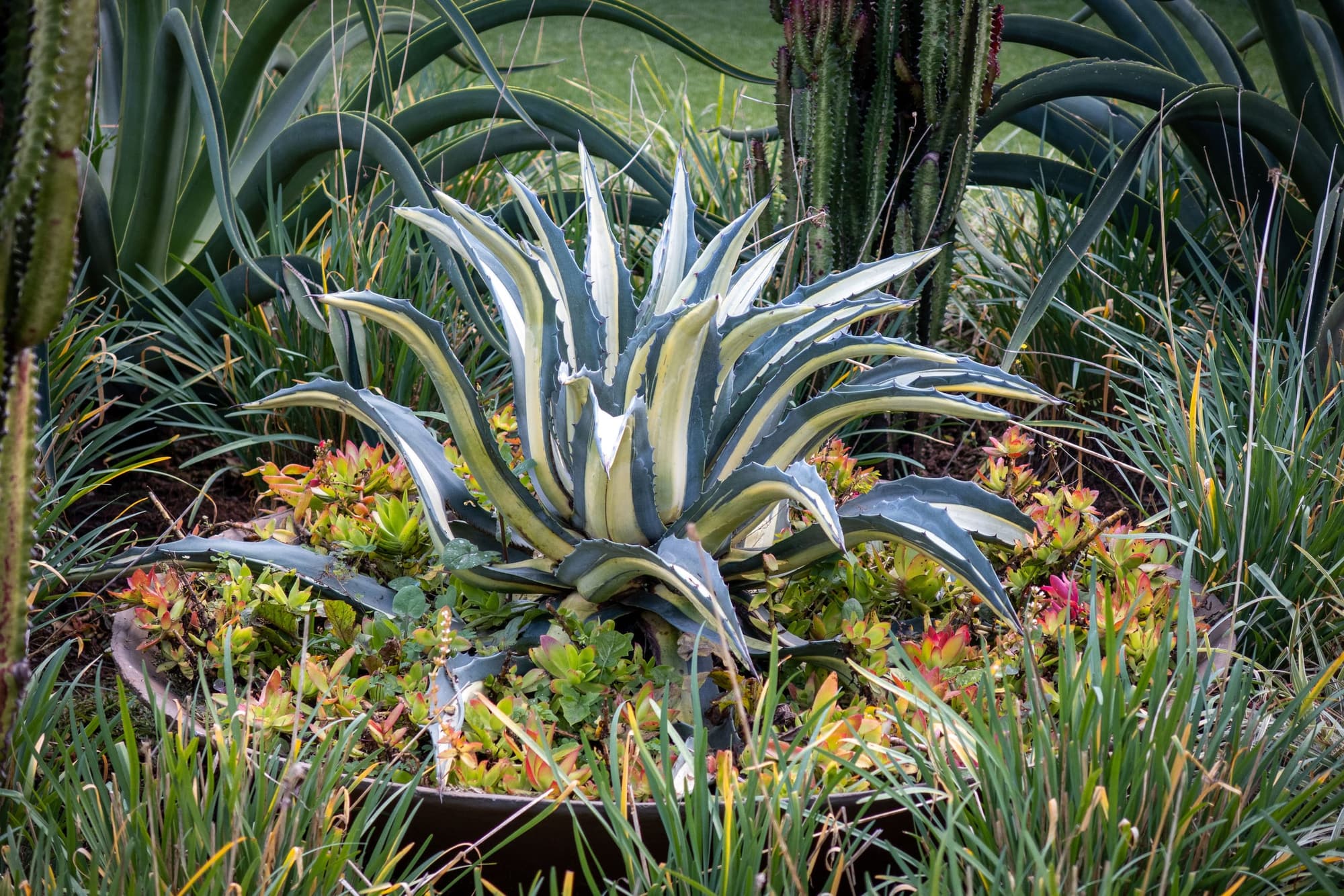
We pick plants for how they look through the hot, dry months as well as in spring. Agaves and grasses give the garden its shape when the flowers are done.
Quailbush is a small garden design studio. Our name comes from a native saltbush that quail and other birds use for cover, which is the kind of plant we like to build a garden around.
We work with homeowners on front yards, back gardens and everything in between. Every project starts with a visit to your garden, and you see a drawn plan and plant list before anything goes in the ground.
Not always. For a small front yard or a single bed, a simple planting plan is often enough. We'll tell you at the first visit what we think the space needs.
Yes. Many clients take the plan and plant list and do the work in stages. We can mark out the beds on site or come back to check progress if that helps.
In a dry-summer climate, fall and winter are usually best. Cooler weather and seasonal rain give roots time to settle before the summer heat.
It shouldn't. We plant in layers and leave room for plants to grow. The first season can look a little sparse, and the garden fills in as the plants mature.
Yes, while they get established. Most need regular water for the first year or two and much less after that. We set up drip irrigation so you can turn it down as the garden settles in.
Send a few lines about your yard and what you'd like from it, and we'll set up a time to visit.